
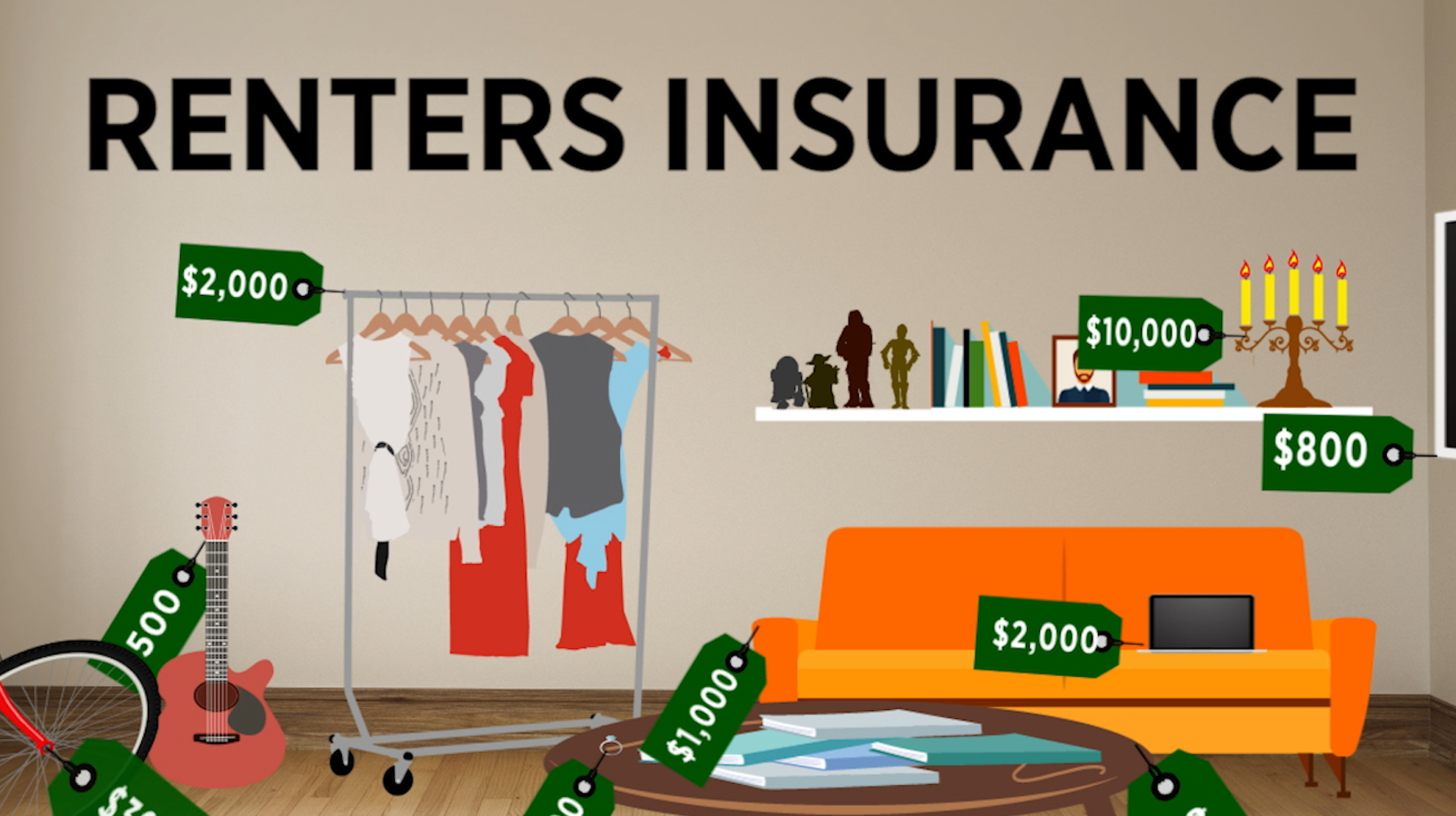
What kind of renters insurance do you have to have in Massachusetts?
In Massachusetts, renters insurance is not mandated by state law, but your landlord may require it in your lease agreement. While not legally required, it’s highly recommended as it protects your belongings and provides liability coverage.
Here’s a more detailed explanation:
No State Mandate:
Massachusetts law does not require renters to have insurance.
Landlord Discretion:
Landlords can make renters insurance a requirement in the lease, meaning you’ll need to obtain a policy to secure the apartment if they choose to do so.
Recommended Coverage:
Even if not required, it’s wise to have renters insurance. WLS Insurance Agency suggests a minimum of $30,000 for personal property coverage, $500,000 for liability coverage, $1,000 for medical payments, and a $500 deductible.
What it Covers:
Renters insurance typically covers personal belongings against damage or theft, liability for injuries or property damage you cause, and sometimes additional living expenses if you need to temporarily move out.
Cost:
The cost of renters insurance varies based on coverage levels, deductible, and your specific circumstances, but it’s generally affordable.
How much renters insurance do I need? To find out more, please call (800) 215-2454 to speak with a WLS Insurance Insurance Representative

Frequently Asked Questions (FAQ)
Renters insurance protects your belongings and provides liability coverage if you’re legally responsible for injury or damage to others. It also covers additional living expenses if you need to temporarily relocate due to a covered loss.
Renters insurance is important because it shields you from having to pay out-of-pocket for damages you accidentally cause to your apartment or another person’s property, or if someone is injured in your home.
-
Personal property:
This includes your belongings like furniture, electronics, clothing, and other personal items, both inside and sometimes outside your apartment (e.g., in a storage unit).
-
Liability:
This covers legal and medical expenses if you’re found responsible for injury or property damage to others.
-
Additional living expenses (ALE):If your home becomes uninhabitable due to a covered loss (like a fire), this covers temporary housing, meals, and other costs.
- Floods and earthquakes: These usually require separate insurance policies.
- Damage from pests or rodents: Infestations are often the landlord’s responsibility.
- Damage from your own car: Car accidents are covered by your auto insurance.
- Certain types of water damage: Check your policy for specific exclusions.
If you have roommates, they are generally not covered under your policy unless they are specifically listed on it. Some insurance companies may require each roommate to have their own separate policy.
The deductible is the amount you pay out-of-pocket before your insurance coverage kicks in for a covered claim.
- Actual Cash Value (ACV): Pays the replacement cost of your belongings minus depreciation.
- Replacement Cost: Pays the full cost to replace your belongings with new items.